
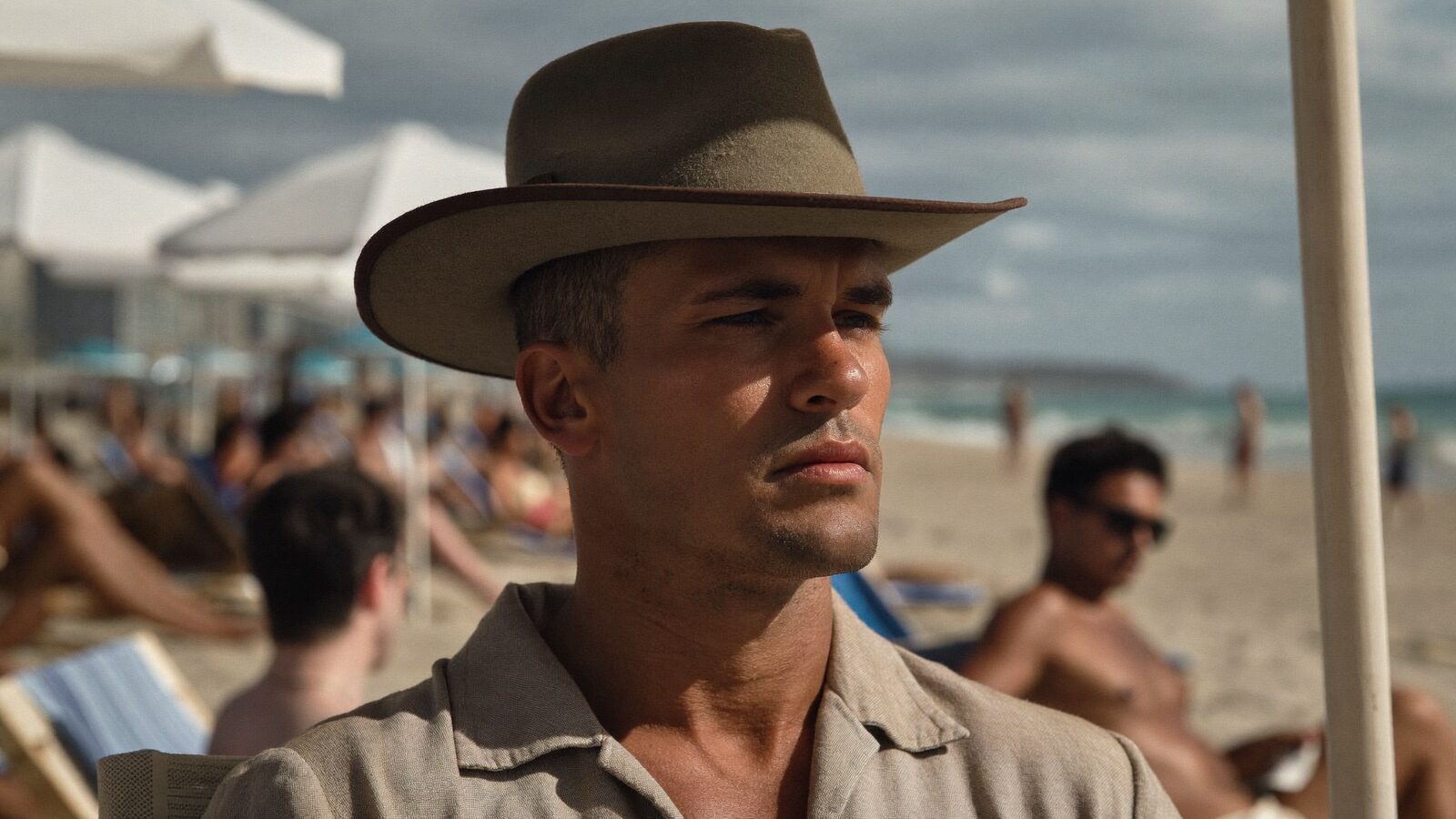
Living in South Florida means the sun is part of almost every errand, and that is exactly why patients here ask about sun after hair transplant surgery before they ask about almost anything else. A walk from the parking lot, a lunch on an open patio or an afternoon at the pool can each put a freshly treated scalp under strong UV for longer than you might think. The good news is that a few simple habits keep your grafts safe without turning you into a hermit. Our hair transplant recovery page explains the overall healing process; this guide focuses on the parts that are unique to living with heat, humidity and water all year.
Below you will find why UV matters for new follicles, when hats and sunscreen become safe, how to handle sweat in the humid months, and when pools, salt water and the beach are back on the table. Every time frame here is a typical pattern, not a fixed rule. Your own dates are confirmed at your consultation and at follow-up, based on your graft count, technique and how your skin heals.
Why UV Matters for New Grafts
After a procedure, the recipient area is covered in hundreds or thousands of tiny openings, each holding a follicle that is still building a fresh blood supply. For roughly the first ten days, that skin is thin, pink and busy repairing itself. Strong ultraviolet light adds stress at exactly the wrong moment. A sunburn on healing skin means extra inflammation, more redness, more itching and, in some cases, crusts that take longer to clear.
Sunburn is not the only concern. Healing skin is more prone to uneven color, so a scalp that sees heavy sun early can stay red or develop darker patches that linger for months. Redness that would normally fade in a few weeks can hang on far longer in someone who spends weekends on a boat. None of this usually destroys a transplant on its own, but it makes the recovery slower, less comfortable and more noticeable to other people.
The donor area deserves attention too. If your back and sides were trimmed short for extraction, that skin is suddenly exposed for the first time in years. It burns easily, and the small extraction points heal more evenly when they are not cooked by the afternoon sun.
The simple rule: for the first two weeks, think of shade as part of your aftercare. Plan errands for early morning or evening, park in covered garages when you can, and keep a loose hat in the car for the moments you cannot avoid.
Hats and Sunscreen: When Each Is Allowed
Hats are your first line of defense, and sunscreen comes later. Most patients find the order surprising, because at the beach sunscreen usually comes first. On a healing scalp, though, rubbing lotion over fresh grafts is riskier than letting a soft hat sit lightly above them.
Hats
A loose, breathable hat is usually fine after the first few days, once the team confirms it for your plan. The ideal hat sits on the forehead and the back of the head without pressing on the grafted zone. A wide-brim straw or cotton bucket hat that is one size too big works well. Put it on by lifting it straight down, and take it off by lifting it straight up, rather than sliding it forward or back across the hairline.
Tight baseball caps, beanies and anything with a snug band are a different story. They grip the hairline and can rub against grafts when you adjust them. Most patients wait around two weeks before wearing a fitted cap, and helmets for scooters or bikes generally follow the same timeline.
Sunscreen
Sunscreen goes on the recipient area only after the crusts have cleared and the skin has closed, which is commonly around two to three weeks. Until then, keep lotions, sprays and creams off the grafts. When you start, choose a gentle, fragrance-free mineral formula with zinc oxide or titanium dioxide and an SPF of 30 or higher. Pat it on with clean fingertips instead of rubbing. A mist spray can work well too, as long as it is not alcohol heavy.
| Protection | Typical start | Notes |
| Shade and timing | Day 1 | Avoid midday sun outdoors; stay under umbrellas and covered walkways |
| Loose, wide-brim hat | After the first few days, once cleared | No pressure on grafts; lift on and off vertically |
| Fitted cap or helmet | Around 2 weeks | Avoid rubbing the hairline when adjusting it |
| Mineral sunscreen on grafts | Around 2 to 3 weeks | Only after crusts are gone; pat, do not rub |
| Long direct sun without cover | Several months | Keep using a hat or sunscreen through the first 6 months or longer |
Heat, Sweat and Humidity
Even indoors, Miami summers make people sweat. Sweat itself does not pull grafts out, but it creates a warm, damp layer that can irritate the scalp, make crusts soggy and encourage itching. Itching is the real enemy, because scratching is how most early graft injuries happen.
- Stay in air conditioning: for the first several days, keep your home and car cool. A cooler scalp means less swelling and less sweat.
- Dab, never wipe: if sweat runs down your forehead, dab it below the hairline with a clean tissue. Do not drag a towel across the grafted area.
- Use the gentle rinse you were shown: sticking to your washing routine keeps sweat and residue from building up around the grafts.
- Hold off on hard workouts: light walking in a cool environment is usually fine early on. Running outdoors, hot yoga and heavy lifting typically wait around two weeks.
- Skip saunas and steam rooms: intense heat that makes you sweat heavily usually waits around four weeks.
- Drink water: staying hydrated helps with general comfort and recovery, especially in summer.
If you work outdoors in construction, landscaping, delivery or similar jobs, plan your return carefully. Our guide on going back to work after a hair transplant breaks down days off by job type, including roles that involve heat and helmets.
Pools, Salt Water and the Beach
Water is where South Florida aftercare differs most from the generic advice patients find online. Pools, hot tubs and the ocean are part of everyday life here, and each one carries a slightly different risk.
Pools
Chlorine and other pool chemicals can sting and irritate a healing scalp, and shared pools carry bacteria. Most patients wait around two weeks before putting their head in a clean, well-maintained pool, and longer if crusts are still present. Wading in without submerging your head may be fine earlier, but splashes and dives are not. After swimming, rinse your scalp gently with fresh water.
Hot tubs
Hot tubs combine heat, chemicals and bacteria in a small space. They are usually off limits for around four weeks, even if you keep your head above water, because the heat drives sweating and blood flow to the scalp.
Salt water and the beach
The ocean adds sand, salt and waves. Salt water can dry and sting a healing scalp, waves can knock you around, and a long beach day usually means hours of reflected sun. A sensible approach is to treat the first two weeks as a no-swim period, then allow short dips once the scalp has fully closed, usually somewhere around two to four weeks. Rinse with fresh water afterward and pat dry.
Being at the beach without swimming is a separate question. Sitting under a big umbrella with a loose hat is generally reasonable after the first week, as long as you stay out of direct sun and keep sand away from your head. Lying out to tan is a different story; most patients wait several months before long, uncovered sun sessions.
A Week-by-Week Florida Sun and Water Timeline
Patients often ask for a single calendar they can stick on the refrigerator. The timeline below combines the sun, hat, sweat and water advice into one view. It assumes an uncomplicated recovery after FUE in Miami; FUT patients follow a similar pattern, with a few extra notes for the linear donor incision.
- Days 1 to 3: stay mostly indoors in air conditioning. Shade only, no hat unless the team approves it, no swimming, no workouts.
- Days 4 to 7: short trips outside in the morning or evening, under a loose hat. Keep up gentle washing and avoid sweating heavily.
- Week 2: crusts are usually shedding. Light walks are fine, a loose hat is your main protection, and the pool is still off limits.
- Weeks 3 to 4: mineral sunscreen on the grafted area if the skin has closed. Fitted caps and helmets usually allowed. Short, clean pool swims and ocean dips often okay once cleared.
- Months 2 to 6: normal life with consistent sun protection. Hot tubs and saunas usually back. Keep covering up for long stretches outdoors.
- Beyond 6 months: treat your scalp the way you treat the rest of your skin. Sunscreen and a hat for long days outside are good habits for life.
For a closer look at what happens in the first fourteen days, including washing and sleeping positions, read our day-by-day recovery guide.
Planning Your Procedure Around the Seasons
Many South Florida patients wonder whether they should wait for cooler months. There is no medical reason a transplant cannot be done in summer. People have procedures in every month of the year, and good aftercare matters far more than the calendar. That said, timing can make your life easier.
- Look at your next six weeks: if you have a wedding on the beach, a cruise or a boat trip planned for the second week after surgery, move one or the other.
- Consider the cooler months: some patients choose the winter season simply because hats, shade and indoor days feel less restrictive when it is not as hot.
- Think about your job: outdoor workers sometimes schedule around slower periods so they can stay out of the heat for two weeks.
- Traveling in for surgery: if you are coming from outside the area, our out-of-town patient page explains online consultations and complimentary transportation to and from the clinic, so you can head home and recover in shade.
Dos and Don'ts Checklist
Here is the short version to save on your phone. If you are ever unsure, a quick call to the clinic is better than guessing, and you have 12 months of follow-up for exactly these kinds of questions.
| Do | Don't |
| Keep a loose, wide-brim hat in your car and bag | Wear a tight cap or helmet in the first two weeks |
| Run errands early in the morning or in the evening | Sit in midday sun without cover |
| Stay in air conditioning for the first few days | Use saunas, steam rooms or hot tubs for about a month |
| Dab sweat away below the hairline | Scratch, rub or pick at crusts |
| Start mineral sunscreen once the skin has closed | Put lotion or spray on fresh grafts |
| Rinse with fresh water after the pool or ocean | Dive, snorkel or surf before you are cleared |
| Ask the team before any trip or big event | Assume a sunburn will not matter |
Patients also ask whether sun on a healing scalp is painful. Usually it is more of a sting or warm itch than real pain, but it can make healing skin more uncomfortable. If comfort is a concern for you, our post on whether a hair transplant hurts covers what most people feel from numbing through the first weeks.
How Our Team Supports Your Recovery
Every patient leaves the Aventura clinic with written aftercare instructions, including specific dates for hats, sunscreen, swimming and exercise based on the procedure performed. Dr. Adam Rubinstein, MD FACS reviews and approves each plan and oversees the procedure, and the team checks in during the first days and over the following months as part of 12 months of follow-up.
If something looks off, such as a spot that stays red after sun exposure, a crust that will not clear or itching that keeps you up at night, contact us rather than waiting it out. Photos sent from your phone are often enough for the team to tell you whether it is normal or needs a visit. Small adjustments made early are much easier than trying to repair problems later.
The bottom line for South Florida is straightforward: protect the scalp from sun and sweat for the first few weeks, ease back into water once the skin has closed, and keep sun protection as a habit for the first year. Do that, and the heat and the beach do not have to stand between you and a natural result.
Plan Your Procedure Around Sun and Beach Season
Book a free consultation in Aventura or online, and our team will help you choose dates that fit your summer plans. You will leave with a written plan, aftercare dates and a clear quote.