
Hair Transplant Recovery in Miami
Navigating Your Recovery in South Florida
Are you considering a hair transplant but still unsure about the details of the procedure, or whether it suits you? In Miami, the recovery that follows a hair transplant has become increasingly streamlined, and that is driving a surge in demand for this popular treatment.
Hair thinning affects many people, and the simplicity of hair transplant recovery has played a significant role in the treatment's growing popularity. The experience differs from person to person and from one procedure to another. Typically spanning 7 to 10 days, the initial recovery phase may involve minor discomfort and swelling. Even once that first phase settles, remember that the complete outcome of a hair transplant reveals itself gradually over the following months as your newly transplanted hair begins to grow.
Our experts track your progress closely to confirm healing is on course. The first days after a hair transplant are pivotal for the success of the procedure, so adhering closely to the instructions and prioritizing self-care during this phase is crucial for the best outcome.
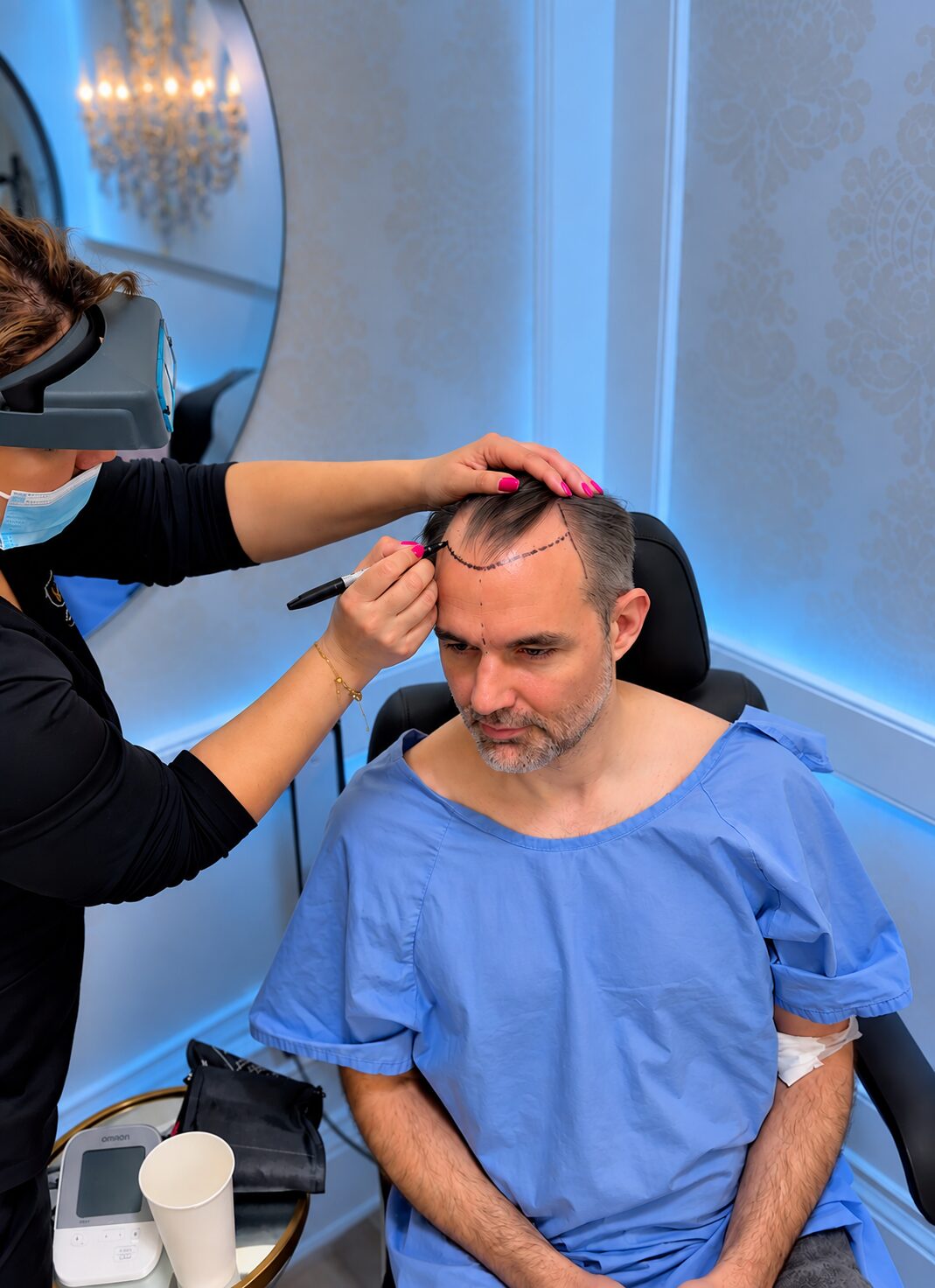
Results After a Full Recovery
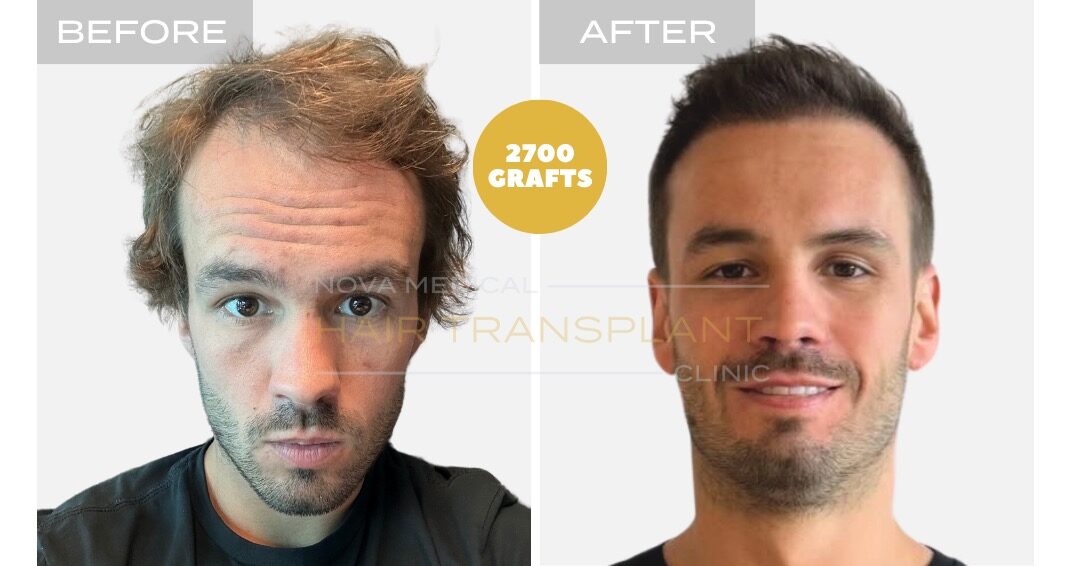
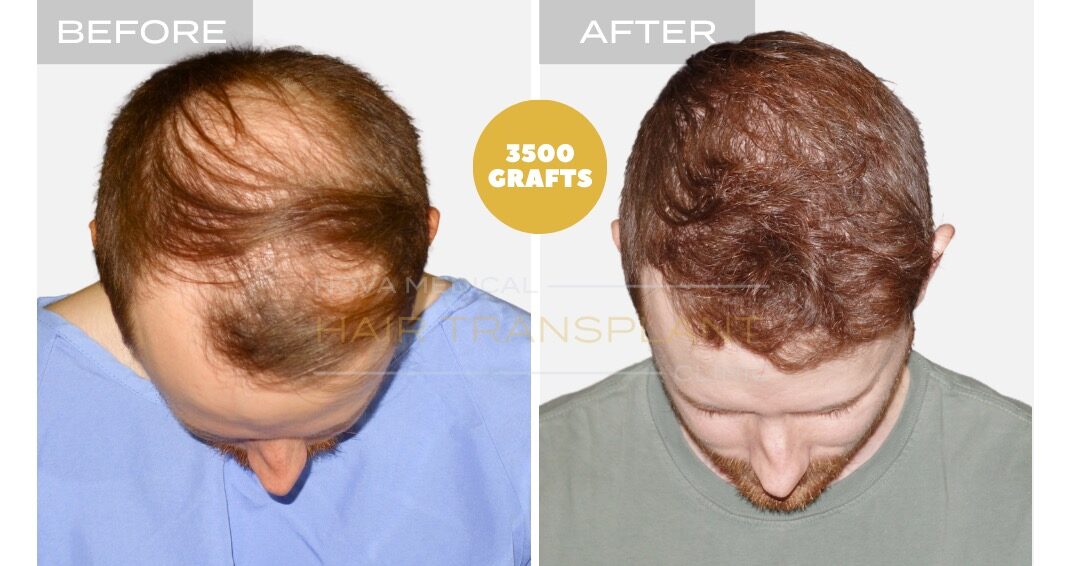
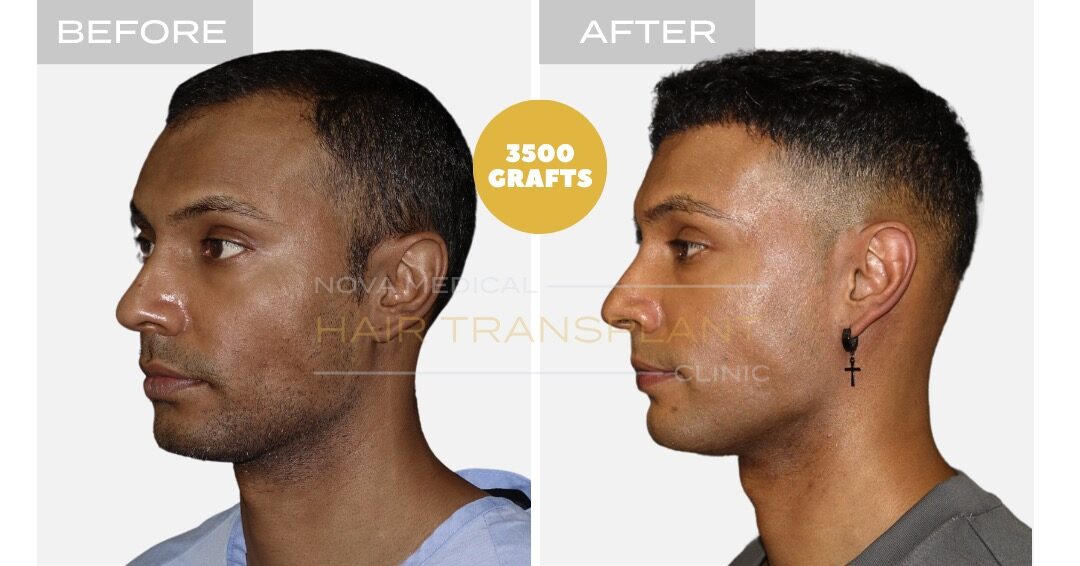
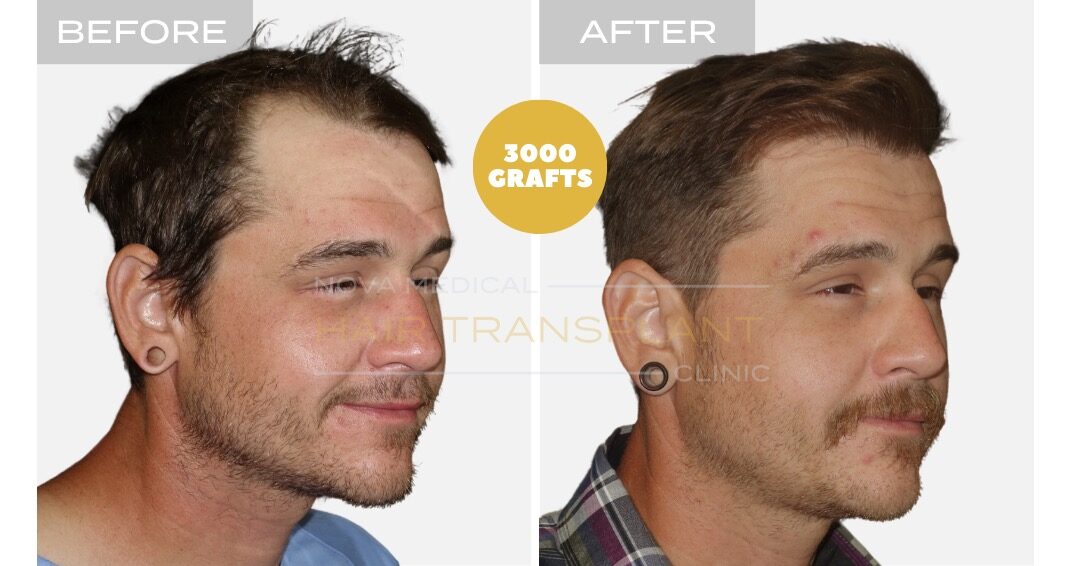
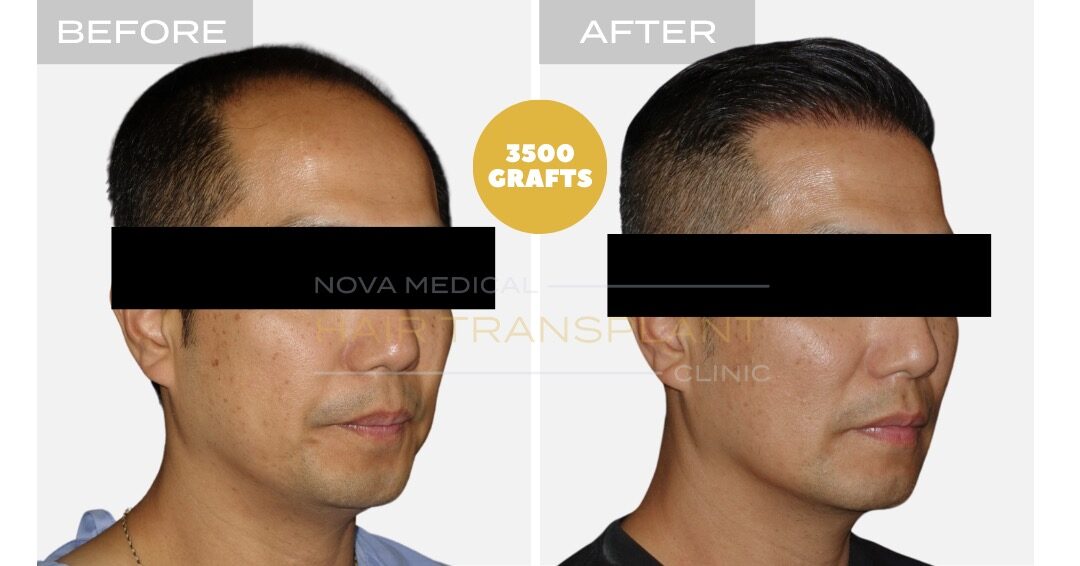
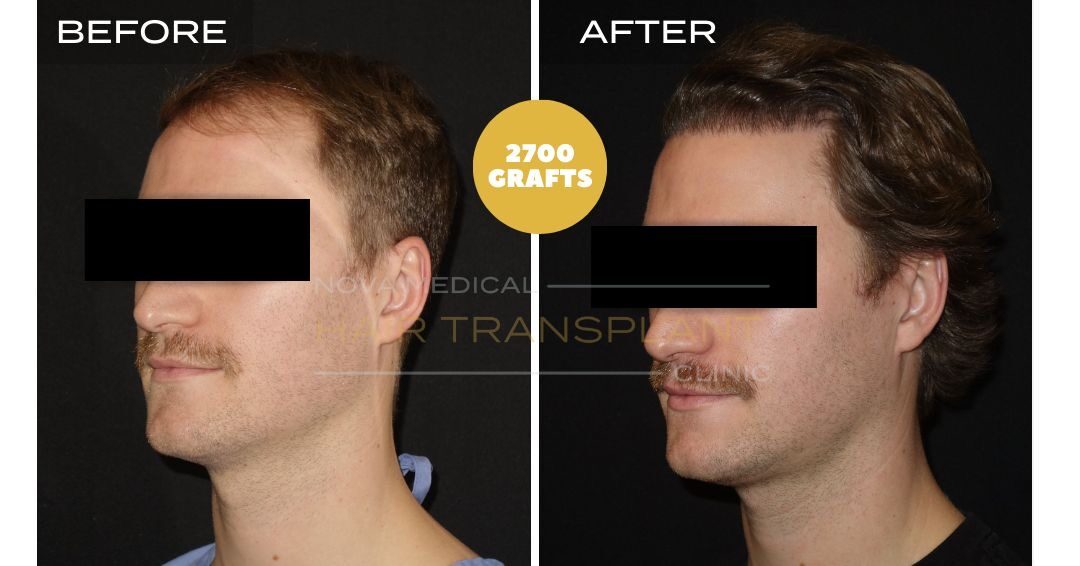
What to Expect in the First Two Weeks
No two scalps heal on exactly the same clock, yet patients at our Aventura clinic tend to move through the same broad phases. Use this as a guide to what is normal and what your grafts need from you along the way.
On the day following your hair transplant, it is common to notice mild discomfort and localized swelling around the scalp. You might also see slight scabbing or crusting around the newly transplanted follicles. Our specialists give you precise directions for tending to your scalp in the days after the procedure, such as skipping hot showers or baths, cleansing with a mild shampoo, and avoiding anything that could disrupt the area.
Strenuous physical exertion, like heavy lifting or intense workouts, should also be avoided for a set period. At Nova Medical Hair Transplant Miami, your recovery matters to us, and we keep an open channel of communication both before and after your surgery.
About a week after your hair transplant, the first signs of healing should be apparent, although the recovery course is still ongoing. By this time, earlier swelling and discomfort should have diminished, and the crusts ringing the new follicles should begin to loosen and come away naturally.
Our specialists may recommend continuing with a mild shampoo and will caution you against scratching or picking at the scabs, since that could damage the newly transplanted follicles. It is also wise to steer clear of activities that lead to sweating or physical stress on the scalp, which in the Miami heat includes long stretches outdoors. Some patients notice hair shedding during this phase; rest assured it is a regular part of healing and no cause for concern.
Around one month after your hair transplant, you may spot the exciting first signs of fresh growth. The transplanted follicles continue to heal and settle into their new surroundings, and you might feel some itching or sensitivity around the scalp. Our specialist's guidance remains essential here: gentle shampooing, no scratching or picking, and no activities that cause sweating or strain on the scalp. Shielding the scalp from direct South Florida sun, with a hat or by limiting time outside, may also be recommended.
Some hair shedding may occur throughout this period, and it is an entirely normal part of how transplanted follicles adjust. With careful scalp care and by following the post-operative instructions from our experts, you help secure the best outcome and can look forward to a fuller head of hair over the coming months.
By month six the change is usually easy to see in photos as well as the mirror. New strands are still gaining thickness and color, so density keeps building well past this checkpoint.
A year after your hair transplant, you can expect substantial new growth and a more voluminous head of hair. The relocated follicles have integrated into their new environment and are producing fresh, robust hair, and any scarring or redness around the scalp should be much less noticeable. At this point you can enjoy the full advantages of your hair transplant: hair that looks entirely natural and can do a great deal for your confidence. Results are long-lasting, but diligent scalp and hair care is what keeps them looking their best over the long haul.
Your Hair Back?
Start with a free, no-pressure assessment at our Aventura clinic.
Request a Free Consultation
No obligation • Same-week availability
Aftercare: What to Do
- Read your written aftercare plan from our Aventura team each morning and tick off every step
- Sleep semi-upright, on extra pillows or a reclining chair, for the first few nights to ease swelling
- Take each prescribed medication on schedule, and never stop an antibiotic early
- Begin gentle washing on day three, letting lathered water run over the grafts instead of rubbing them
- Wear a loose, wide-brimmed hat whenever you step outside, since the Florida sun is strong all year
- Stay well hydrated in the heat and eat balanced, protein-rich meals to support healing
- Let scabs soften during washing and drop off naturally, usually within 10 to 14 days
- Attend every follow-up, in person or by photo if you live out of town, so we can review your progress
Aftercare: What Not to Do
- No heavy lifting, intense training or long runs for two weeks
- No pools, ocean swims or hot tubs for about four weeks, as chlorine, salt and bacteria can irritate healing skin
- No beach days or long hours in direct sun during the first month
- No alcohol for at least a week, because it can raise the risk of bleeding and swelling
- No smoking or vaping during recovery, since nicotine cuts circulation to the scalp
- Hands off the grafts: no picking, rubbing or scratching, however itchy it gets
- No tight caps, helmets or headbands pressing on the grafts for the first few weeks
- No hair dye, perms or chemical treatments for 6 to 8 weeks
Hair Transplant Recovery Timeline
The five stages most of our Miami patients pass through on the way to a mature result.
Days 0 to 14
Grafts Anchor and Scabs Clear
Weeks 2 to 4
Short-Lived Shedding Phase
Months 3 to 4
New Growth Breaks Through
Months 6 to 8
Visible Density Gains
Months 9 to 18
Final Thickness and Texture
Understanding Shock Loss
A few weeks after surgery, many patients find transplanted hairs on the pillow or in the shower. This is known as shock loss, and it affects the hair shaft only. The follicle beneath the skin remains healthy and in place, ready to grow again.
Relocation pushes each follicle into a temporary rest. Once that rest ends, usually three to four months in, it begins producing a new hair that is permanent. Shedding that arrives on this timeline simply tells you that recovery is on track.
Medications and Supplements to Avoid
It might surprise you that seemingly harmless products such as ginseng drinks, garlic supplements or omega-3 capsules can have unintended consequences when it comes to bleeding. These, along with various anti-inflammatory medications, can heighten your bleeding risk.
If you have no specific medical need for them, the products likely to cause bleeding will be paused temporarily around your procedure.
For your safety, share everything you take with your surgeon. That lets our team weigh the potential risks and guide you toward the most secure course of action.
Everyday Aftercare Tips
Follow Your Medication Plan: You leave our Aventura clinic with written instructions for any prescriptions, including antibiotics where your surgeon recommends them. Take each one as directed and call us before stopping or adding anything.
Protect Your Scalp from the Sun: If your hair transplant recovery falls in summer or you live in a warm climate, as every Miami patient does, protecting your scalp from the sun is paramount. We suggest a loose, comfortable hat outdoors during the first two weeks, followed by consistent sunblock throughout the year.
Steer Clear of Vigorous Scrubbing: After surgery, your surgical team will recommend a spray-on shampoo so water pressure and lathering do not strain the delicate grafts. Within a few days, gentle washing with clean water is fine, but do not scratch or rub the grafts. Specialized hair growth products, Revivogen Bio-Cleansing Shampoo and Thickening Conditioner among them, can nourish the scalp.
For any questions or uncertainties about hair transplant recovery, reach out to us. Our team in Miami is dedicated to helping you at every step, from the first consultation through recovery and beyond. Every patient's situation is unique, so we work closely with you on a personalized treatment plan that fits your goals, overseen by Dr. Adam Rubinstein, MD. Call (305) 507-0269 (Monday to Saturday, 7:30am to 10pm) or contact us to schedule a consultation and explore how we can help you achieve the full, healthy head of hair you want.
How to Prepare for Your Procedure
-
1
List Everything You Take
Write down your prescriptions, vitamins and supplements before your consultation. Our team will tell you which ones to pause ahead of surgery and when to restart them.
-
2
Hold Off on Hair Dye for 6 to 8 Weeks
If you color your hair, stop coloring one to two weeks before surgery and skip it for 6 to 8 weeks of recovery. Miami hair restoration patients are advised to use only gentle, safe coloring products, and only after their surgeon approves it. Your surgeon tailors all of these do's and don'ts, and depending on your health, procedure details and needs, you may receive additional instructions.
-
3
Arrive Clean and Comfortable
Wash your hair the morning of your procedure with no styling products, and wear a loose top that buttons or zips at the front. If you are flying in through MIA or FLL, plan to stay nearby for the first night.
Your Miami Surgeon: Dr. Adam Rubinstein, MD FACS
Dr. Adam Rubinstein, MD FACS, reviews and approves every plan at our Aventura clinic and oversees each procedure.
Dr. Adam Rubinstein
Florida, USA - Plastic surgeon certified by the American Board of Plastic Surgery, with advanced training in aesthetic plastic surgery.