
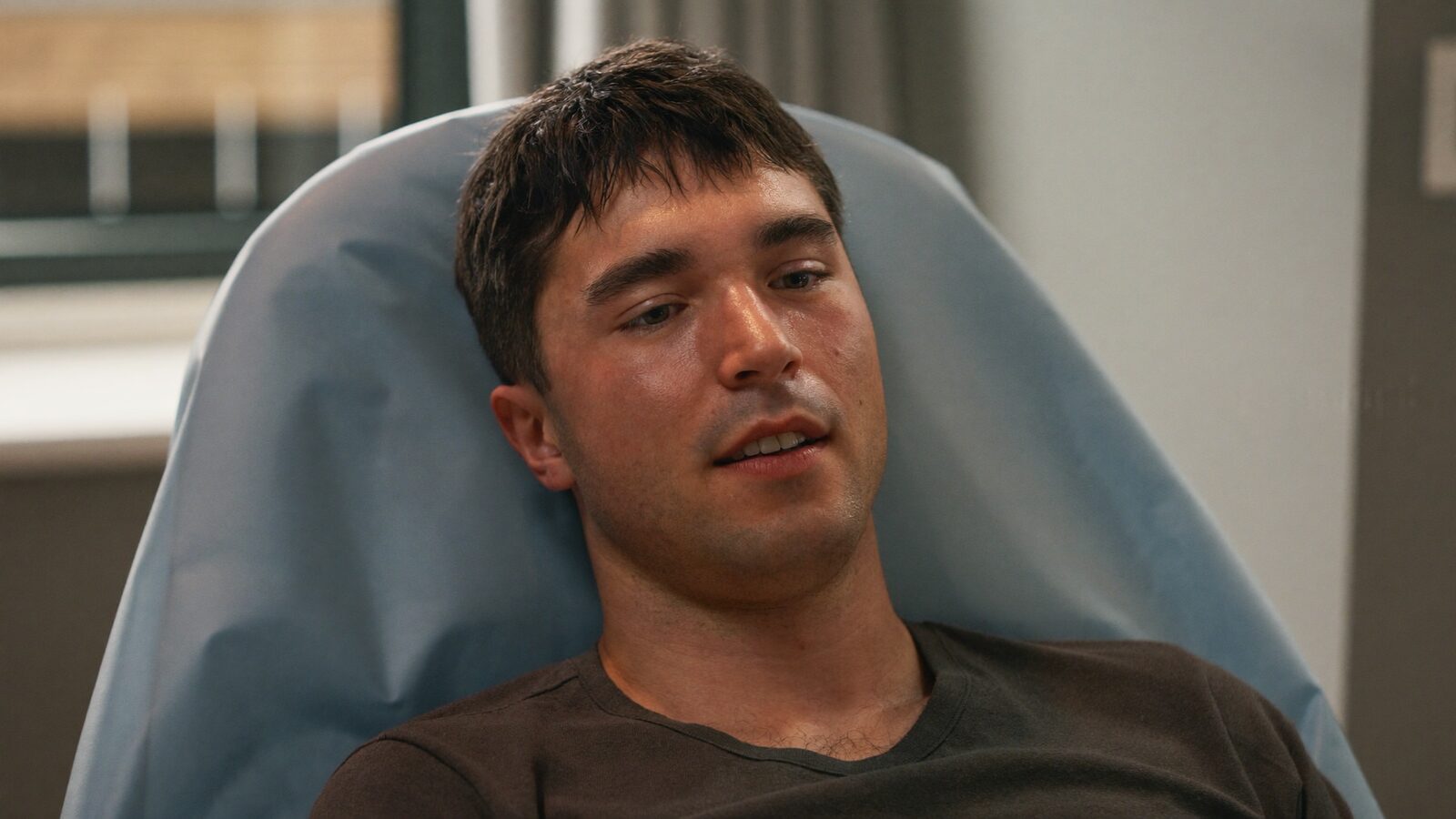
If you are weighing surgery, one question tends to sit underneath all the others: does a hair transplant hurt? The short answer is that most patients describe a few minutes of real discomfort, followed by a long, quiet day that feels more tedious than painful. The sharp part is the numbing itself. Once local anesthesia takes hold, the scalp goes quiet, and most people spend the session watching shows, chatting with the team or dozing. At our FUE clinic in Aventura, comfort is planned as carefully as the graft count.
This guide follows the experience in the order you will actually live it: the numbing step, the hours of extraction and placement, the first two nights at home, the pain relief that genuinely helps, and the handful of signs that mean you should pick up the phone. Everyone has a different pain threshold, so think of what follows as the typical pattern rather than a promise about your own scalp.
The Numbing Step: The Only Part Most People Notice
Every procedure at Nova Medical Miami is done under local anesthesia. There is no general anesthesia and no breathing tube, which is one reason you can go home the same evening. The tradeoff is that the anesthetic has to be delivered with small injections into the donor area at the back of the head and into the recipient zone on top.
Patients usually describe those injections as a series of quick pinches with a brief sting as the fluid spreads. The first few are the most noticeable. As each area goes numb, the next injections land on skin that is already partly asleep, so the sensation fades quickly. For most people, the entire numbing phase takes roughly ten to twenty minutes, and the uncomfortable portion is shorter than that.
How the team softens the sting
- Slow, steady delivery: anesthetic that goes in gradually burns less than a fast push, so the team takes its time.
- Working from numb skin outward: later injections are placed at the edge of areas that are already numb, which blunts each new pinch.
- Distraction and conversation: talking you through each step keeps the brain from bracing, and bracing is what makes small sensations feel big.
- Oral medication if you want it: oral pain relief is available, and if you tend to be anxious, mention it at the consultation so it can be planned ahead.
During Extraction and Placement: Pressure, Not Pain
Once the scalp is numb, the real work begins. At our clinic, grafts are extracted by hand with fine handheld FUE instruments by the surgical team, one follicular unit at a time. Then tiny recipient sites are opened and the grafts are placed into them. Dr. Adam Rubinstein, MD FACS, a board-certified plastic surgeon, reviews and approves every plan and oversees the procedure from start to finish.
What do you actually feel during those hours? Mostly nothing sharp. Patients commonly report a light tapping or pushing sensation, some vibration through the skull, and the odd awareness that something is happening without it registering as pain. Lying face down for the donor portion can feel stiff after a while, which is why breaks are built in for stretching, the restroom and lunch.
Local anesthesia does wear off over a long session. The team watches the clock and tops it up before sensation returns, so you should not have to wait for discomfort to ask. If you do feel anything sharp, say so right away; a quick top-up usually settles it within a minute or two.
Good to know: the most common complaint during a full day is not pain at all, it is restlessness. Bring a charged phone, headphones and a comfortable zip-up top so nothing has to be pulled over your head at the end of the day.
Larger plans run longer, and plans that would exceed roughly 4,000 grafts are split into two sessions. That protects the donor area, and it also keeps each day at a length most patients find manageable. If you want to see how chair time scales with graft count, our guide on how long a hair transplant takes breaks it down.
How Each Stage Typically Feels
It helps to see the whole arc in one place. The table below summarizes what most patients describe at each stage, along with what usually keeps it comfortable. Your own experience may be milder or a little stronger.
| Stage | What most people feel | What usually helps |
| Numbing injections | Quick pinches and a brief sting for roughly 10 to 20 minutes | Slow delivery, conversation, optional oral medication |
| Graft extraction | Light pressure and vibration, stiffness from lying still | Breaks, pillows, anesthetic top-ups on schedule |
| Site creation and placement | Tapping, very little sensation on the top of the scalp | Reclined chair, shows or music, snacks |
| First evening | Tightness and a dull ache, mostly at the back of the head | Prescribed or recommended pain relief, rest, head elevation |
| Nights one and two | Soreness when lying on the donor area, mild throbbing | Sleeping semi-upright, travel pillow, cool room |
| Days three to seven | Tenderness fading, itching starting as scabs form | Gentle washing as instructed, no scratching |
| Weeks two to four | Occasional numbness or tingling in patches | Patience; sensation usually returns gradually |
The First 48 Hours at Home
When the anesthetic fades that evening, you will notice the donor area first. Most people describe it as a dull, tight ache, similar to the feeling after a long day in a hat that is a size too small. The recipient area on top is often surprisingly quiet. It may feel warm or slightly tingly, but it is rarely the source of real soreness.
The first night is usually the most uncomfortable, mainly because of sleep position. Lying flat on the back of the head presses on fresh extraction sites, and lying face down risks rubbing the new grafts. Sleeping semi-upright on two or three pillows, or in a recliner, solves most of this. A U-shaped travel pillow keeps your head from rolling during the night and takes pressure off the donor zone.
Some swelling across the forehead is common around days two to four. It is not usually painful, but it can look dramatic, sometimes drifting down toward the eyes. Keeping your head elevated and following the aftercare sheet tends to limit it, and it resolves on its own. Our day-by-day recovery guide covers what to expect through the first two weeks in more detail.
A South Florida note
Heat makes everything feel more irritated, and that includes a healing scalp. For the first few days, keep your bedroom cool, stay out of direct sun, and skip the pool, the beach and long errands in the afternoon heat. A loose, clean hat for brief trips outside is fine once your team clears it, but tight caps should wait.
Pain Relief That Works
For most patients, pain after a hair transplant is well controlled with oral medication for a few days. The aim is to stay ahead of the ache rather than chase it, especially on the first evening when the local anesthetic wears off. Your aftercare instructions will tell you exactly what to take and when; follow those rather than any general advice online, including this article.
Beyond medication, a few simple habits make a real difference:
- Take the first dose on schedule: starting before the numbness fully fades makes the first night far easier than waiting until it hurts.
- Elevate your head: sleeping semi-upright reduces both swelling and pressure on the donor area.
- Avoid alcohol early on: it can increase swelling and bleeding and does not mix well with many pain relievers.
- Rest, then move gently: short walks around the house help circulation, but strenuous exercise should wait until you are cleared.
- Hydrate and eat normally: feeling run down amplifies discomfort, and the Florida heat dehydrates you faster than you think.
- Leave the scabs alone: picking or scratching creates fresh soreness and can dislodge grafts in the first days.
If you take blood thinners, supplements or other daily medication, list them at your consultation. Some need to be paused before surgery, and that decision belongs to your physicians, not to a checklist. Our main hair transplant recovery page outlines the full aftercare routine.
FUE vs FUT: Does the Technique Change the Pain?
Technique matters more for the donor area than for the top of the scalp. With FUE, grafts come out one by one, leaving tiny dot-like openings spread across the back of the head. Patients typically describe that donor area as sore for a few days, then simply tender. With FUT, a narrow strip of scalp is removed and the edges are closed with stitches, so there is a single incision line. That line tends to feel tighter and can stay sensitive a little longer, especially when you bend your neck.
Placement feels much the same either way, and DHI-style placement with an implanter pen does not change the comfort picture in a meaningful way. Choosing a technique should come down to your donor supply, hair type, scar preferences and long-term plan rather than pain alone. If you are still working out whether surgery fits you, start with our guide to being a good hair transplant candidate.
Who Tends to Find It Harder, and How to Prepare
A few groups tend to find the day a bit tougher, and knowing that ahead of time helps:
- Anxious patients: worry lowers your tolerance. Tell the team early so they can talk you through each step and plan oral medication if appropriate.
- Very large sessions: a long day means more anesthetic top-ups and more time lying still. Splitting large plans keeps this in check.
- Tight or thick scalps: a less flexible scalp can make the donor area feel tighter afterward, particularly after FUT.
- Short sleepers and side sleepers: changing sleep position for a few nights is often the hardest adjustment. Practice with a travel pillow before surgery.
Preparation is simple. Get a good night of sleep beforehand, eat a normal breakfast unless told otherwise, wear a button-up or zip-up top, and arrange a ride home. If you are coming from Broward, Palm Beach or farther away, complimentary transportation to and from the clinic is available for patients who travel, so you do not have to drive after a long day.
When to Call the Clinic
Normal recovery discomfort trends in one direction: it gets better each day. Anything that reverses that trend deserves a call. Every patient has 12 months of follow-up included.
Call the clinic at (305) 507-0269 if you notice any of the following:
- Pain that worsens after day three: soreness should be easing by then, not building.
- Spreading redness, heat or pus: these can point to infection and should be looked at promptly.
- Fever or chills: not part of a normal recovery.
- Bleeding that does not stop with gentle pressure: a little spotting the first night is expected; steady bleeding is not.
- Swelling that affects your vision or keeps increasing after day four: mild forehead swelling is common, but it should be resolving by then.
For anything that feels like an emergency, seek urgent care first. You can also reach us through the contact page if you would rather write than call.
Ask Us About Your Comfort Plan
Book a free consultation in Aventura or online to talk through numbing, medication and recovery before you commit. You will leave with a written plan and quote.