
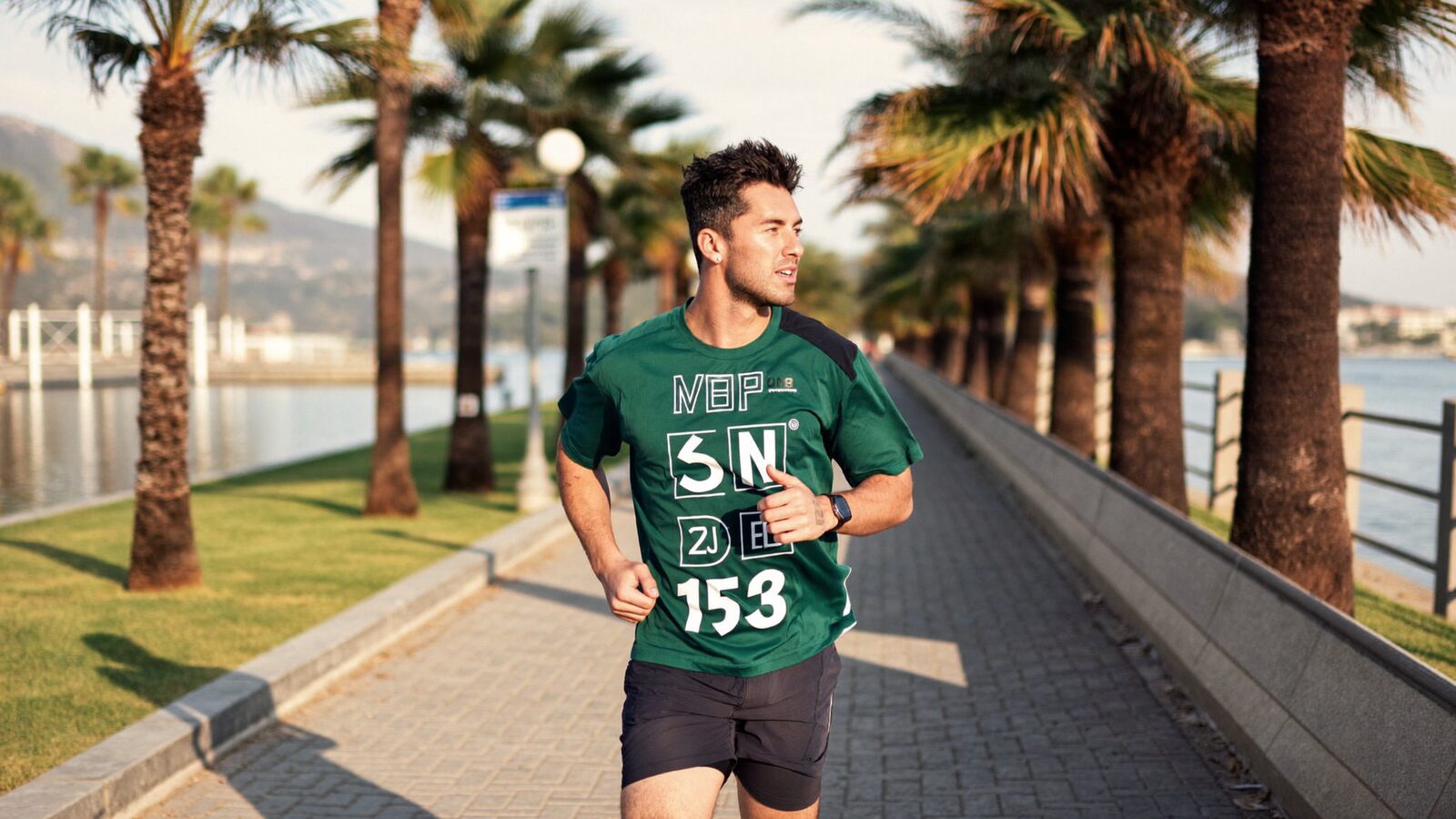
You just invested in your hair, and now you want your life back: the morning run along the water, the gym, your partner, a weekend game of pickup basketball. The honest answer about exercise after hair transplant surgery is that most of it comes back faster than people expect, but the first two weeks call for patience. Grafts need a few quiet days to anchor, and the donor area needs time to close.
This guide gives you a practical timeline for walking, cardio, lifting, sex, swimming and contact sports, and explains the reasons behind each window so you can make sensible calls on your own. For the full picture of healing, see our hair transplant recovery page. Your own instructions from the Aventura team always come first, since every plan, donor area and graft count is a little different.
Why Activity Matters So Much in the First Two Weeks
Right after surgery, each graft sits in a tiny incision with nothing holding it but a fresh clot and the surrounding tissue. Over roughly the first 7 to 10 days, the graft connects to the local blood supply and settles firmly into place. Until then, it can be dislodged by rubbing, pressure, or a sudden spike in scalp blood flow.
Three things connect activity to graft safety:
- Blood pressure: Hard effort raises blood pressure and pushes more blood toward the scalp. Early on, that can mean oozing from recipient sites, more swelling, and in rare cases a graft being pushed out.
- Sweat: Sweat carries salt and bacteria and softens the small crusts that protect each graft. Heavy sweating in the first week also tempts you to wipe your forehead, which is exactly the friction you want to avoid.
- Physical contact: Anything that can bump, rub or press on the scalp, from a towel to a teammate's elbow, is a risk until the grafts are anchored.
The donor area has its own needs. After FUE, the small extraction points close within days. After a strip (FUT) procedure, there is a linear incision with sutures that should not be stretched by heavy neck flexion or straining. That difference shapes how quickly lifting returns, which we cover below.
The simple rule: If an activity would make you sweat heavily, flush your face, strain, or put anything in contact with your head, it waits until the doctor's team says your grafts are secure.
Light Activity: What You Can Do in the First Few Days
Rest is the main job on day one. You go home the same day, usually with mild tightness and some numbness. Sitting up, eating, watching a show and short walks around your home are all fine. Keep your head elevated when resting, which helps limit swelling around the forehead and eyes.
From around day two or three, gentle walking is encouraged. A relaxed 15 to 30 minute walk helps circulation, eases stiffness and does wonders for your mood. In South Florida, timing matters: walk early in the morning or in the evening, stay in the shade, and wear a loose, clean hat only if your team has cleared it. Direct sun on a fresh recipient area is something to avoid, and midday heat makes sweating almost unavoidable. Our Florida aftercare guide covers sun, heat and hats in more depth.
Everyday tasks are generally fine in the first week, with a few adjustments:
- Bending over: Bend at the knees rather than putting your head below your heart, especially in the first three days, to avoid extra swelling.
- Carrying things: Light grocery bags are fine. Moving furniture or hauling a full cooler to the beach is not.
- Driving: Not on surgery day, since you may have taken oral pain relief. After that, most people drive normally as long as they are off any sedating medication.
- Housework: Cooking and light tidying are fine. Avoid dusty jobs and anything that has you reaching overhead for long periods.
Cardio and Weights: When to Return and How to Ramp Up
The good news is that most patients return to real training within two to four weeks. The key is to rebuild in stages rather than jumping back to your usual routine the day the crusts fall off.
Cardio
After the first week, light cardio that keeps you comfortably conversational is usually reasonable: brisk walking, an easy stationary bike, or a slow elliptical session. Keep the effort moderate so you are warm rather than drenched. Around the two-week mark, once grafts are anchored and scabs have cleared, most patients can return to running, spin classes and interval work, building intensity over another week or so.
Weight training
Lifting tends to raise blood pressure more sharply than steady cardio, especially heavy compound lifts where people hold their breath. That is why the ramp is a bit slower. Many patients start with light machine work or bodyweight moves in week two and return to heavier training between weeks three and four. If you had a strip procedure, the doctor may ask you to wait longer before exercises that load the neck, such as heavy shrugs, deadlifts or overhead pressing, so the donor incision heals flat.
Here is a typical framework. Treat it as a starting point for a conversation with our team, not a substitute for your personal instructions.
| Activity | Typical return | Main reason to wait |
| Short, relaxed walks | Day 2 to 3 | Very low strain, helps circulation |
| Light stationary bike or easy elliptical | About day 7 to 10 | Keep sweat and heart rate modest |
| Running, spin, interval classes | About 2 to 3 weeks | Grafts anchored, crusts cleared |
| Light weights, machines, bodyweight | About 2 weeks | Avoid straining and breath-holding |
| Heavy lifting, max efforts | About 3 to 4 weeks | Blood pressure spikes, donor healing |
| Hot yoga, sauna, steam room | About 4 weeks | Prolonged heat and heavy sweating |
| Swimming in pool or ocean | About 2 to 4 weeks | Chlorine, salt water, bacteria |
| Contact sports, martial arts | About 4 weeks or more | Direct impact and friction |
One practical tip for the gym: bring a clean towel and pat, never rub, your forehead. Skip shared headphones or tight caps that press on the hairline until the doctor's team clears them.
Sex After a Hair Transplant
It is one of the most common questions patients ask, often a little awkwardly, so here is a direct answer. Sex raises heart rate and blood pressure in a way similar to moderate exercise, and it can involve contact with your head, pillows and headboards. For that reason, most surgeons suggest waiting at least several days to a week before resuming sexual activity, and keeping things gentle for the remainder of the first two weeks.
What matters in practice:
- Protect the recipient area: Avoid positions where your head rubs against a pillow, mattress or partner. Scalp friction in the first 10 days is a real risk to new grafts.
- Keep effort moderate: Vigorous activity that leaves you flushed and sweating is the same concern as an intense workout.
- Mind the donor area: After a strip procedure, avoid pressure on the back of the head and sharp neck movements while the incision heals.
- Talk to your partner: A short, honest conversation ahead of time makes the first week easier for both of you.
If you take medication after surgery, such as pain relief or a hair loss treatment like finasteride, it is reasonable to ask our team how it may affect you. Our guide to finasteride and other medication after a hair transplant explains common options and what to discuss. Sex does not harm the grafts once they are anchored, and after two weeks most patients have no restrictions at all.
Swimming, the Beach and Contact Sports
For many Miami patients, the pool and the ocean are part of daily life, so this window can feel like the longest. Fresh incisions should not soak in chlorinated pools, hot tubs, lakes or the ocean. Chlorine can irritate healing skin, natural water carries bacteria, and salt water combined with sun is hard on a new recipient area.
Most patients can return to swimming somewhere between two and four weeks, once all scabs are gone and the skin looks fully closed. When you go back to the beach, protect the scalp from sun for several months with a loose hat or shade, since recently treated skin burns more easily and can stay pink for a while. Avoid hot tubs, saunas and steam rooms for about a month.
Contact sports need the most caution. Soccer, basketball, football, wrestling, boxing, jiu-jitsu and similar sports bring the risk of a direct blow or rubbing contact with the scalp. Helmets add pressure and trap heat. A typical guideline is about four weeks before returning, and longer for full-contact martial arts or anything that involves headgear. Golf and tennis can usually return sooner, around two weeks, with a loose, well-ventilated cap to manage sun exposure once your team says it is fine.
Building a Return-to-Training Plan Before Surgery
The easiest recoveries belong to people who planned the downtime in advance. If you train regularly or have an event on the calendar, mention it at your consultation. The doctor can factor it into the timing of your procedure and your aftercare plan.
A few planning ideas that patients find helpful:
- Schedule around big events: Avoid booking surgery in the two to four weeks before a race, tournament, wedding or beach vacation.
- Front-load your fitness: Train well in the weeks before surgery. A short pause costs very little fitness, and most people come back without losing much.
- Swap, do not stop: Walking, gentle stretching and lower-body mobility work can keep you moving while the grafts settle.
- Plan your environment: If you work out outdoors in the Miami heat, line up an air-conditioned option for the first few weeks back.
Technique also plays a role. Manual FUE leaves small, scattered donor points that usually close within days, which can make the return to lifting a bit quicker than with a strip incision. Dr. Adam Rubinstein, MD FACS, reviews each plan and will explain which method suits your donor area and lifestyle. To see how the procedure fits into the full timeline from consultation to final growth, read how long a hair transplant takes.
The Bottom Line on Staying Active
A hair transplant pauses your active life for a short time rather than ending it. Walk in the first days, add easy cardio after a week, return to most training at two to four weeks, and save contact sports, saunas and long swims for about a month. Throughout, your goal is to avoid heavy sweating, straining and anything that touches the new hairline until it is secure.
Each patient heals at their own pace, and the clinic's specific aftercare sheet is the guide to follow. If you have a training schedule, a sport you love or simply a question about timing, bring it up at a free consultation in Aventura, and our team will build your recovery around it.
Plan Your Procedure Around Your Active Life
Book a free consultation in Aventura or online, and our team will map out a recovery timeline that fits your workouts, sports and schedule.