
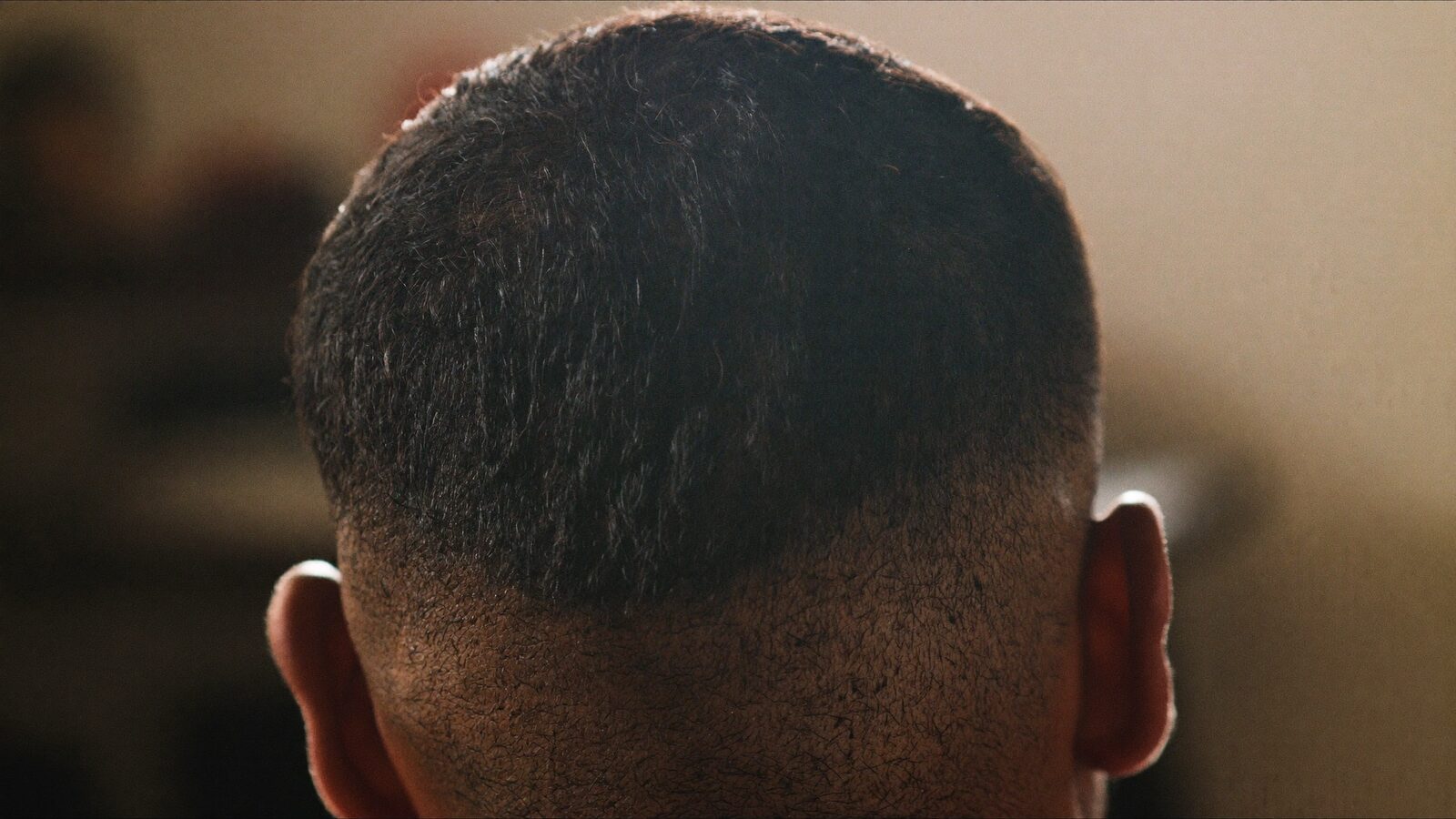
An unlimited grafts hair transplant sounds like the safest deal on the menu: one flat price, and the clinic keeps moving hair until your scalp looks full. The trouble is that no scalp has an unlimited supply. Every graft comes from a fixed bank of follicles at the back and sides of your head, and once a follicle is moved, it does not grow back in the donor area. A package built around "as many as it takes" quietly ignores that math.
This guide explains how your donor area sets a lifetime graft budget, how density is measured, what overharvesting looks like up close, and why a sound plan always keeps something in reserve. If you are comparing quotes for FUE in Miami or anywhere else, these are the questions that separate a careful plan from a sales pitch.
What an "Unlimited Grafts" Offer Really Means
The short answer: it is a pricing structure, not a medical plan. A flat fee with no graft ceiling shifts the conversation from "how many grafts does your scalp need and can it spare?" to "how many can we fit into one day?" Those are very different questions.
In practice, an unlimited offer usually means one of two things. Either the clinic will extract far more than your hair loss needs today, or the word "unlimited" is simply marketing and the real number is set by the team's time and stamina on the day. In the first case, you risk a thinned-out donor area. In the second, the promise was never real.
A responsible clinic works the other way around. It starts with your donor supply, subtracts a reserve for the future, and only then decides how many grafts go where. The price follows the plan, not the reverse.
Your Lifetime Graft Budget
Think of your donor area as a savings account that only accepts withdrawals. The hair at the back and sides of the scalp is usually resistant to the hormone that drives male pattern loss, which is why it keeps growing after it is relocated. But the number of follicles in that zone is fixed from birth. Each FUE graft removes one small follicular unit, and that spot will not refill.
For many men, the total that can be safely moved over a lifetime is a few thousand grafts, often somewhere in the range of 5,000 to 8,000 by FUE, and less for those with fine or sparse donor hair. That number has to cover everything: the hairline you want at 30, the crown that may thin at 45, and any touch-ups in between.
This is why the first session matters so much. Spending most of the budget on a low, dense hairline in your twenties can leave nothing for the crown later. Our article on where to put your grafts first walks through that trade-off in more detail.
One day, one session, one ceiling
At Nova Medical in Aventura, a single day can involve up to about 4,000 grafts, depending on donor density. That is a ceiling, not a target. Very large plans are split into two sessions so the donor area and the grafts are not pushed past what they can handle, and reserve is always left for future loss.
Donor Density and How It Is Measured
Donor density is the number of follicular units growing in a given patch of the donor area, usually counted per square centimeter. A follicular unit is a natural cluster of one to four hairs, and each FUE graft is one of these units. Two people with the same visible thickness can have very different counts, because hair caliber, curl and the number of hairs per unit all change how full the scalp looks.
At a consultation, the team looks closely at the donor zone under magnification, counts units in sample areas, and notes how many hairs each unit carries. They also check how far the safe zone extends, since hair near the edges of the donor area can be more prone to future thinning.
| Donor factor | What it tells the team | Why it changes the budget |
| Follicular units per sq cm | How many grafts a given area can supply | Higher counts allow more extraction with less visible thinning |
| Hairs per unit | How much coverage each graft delivers | Units with 2 to 3 hairs fill an area with fewer grafts |
| Hair caliber | Thickness of each individual hair | Coarse hair covers more scalp per graft than fine hair |
| Curl and wave | How hair lies on the scalp | Curly hair often looks fuller with the same graft count |
| Size of the safe zone | How much of the donor area is stable long term | A narrow safe zone means a smaller lifetime supply |
| Hair to skin color contrast | How visible thinning will be | Low contrast hides lower density more easily |
What Overharvesting Looks Like
Overharvesting happens when too many follicular units are taken from the donor area, or too many from one patch. It is one of the most common reasons people end up seeking repair work, and it can show up right away or only after a few years.
- A moth-eaten look: patchy, uneven thinning at the back of the head, most obvious when hair is cut short or wet.
- Visible dots: clusters of small white extraction marks that show through a short fade or buzz cut.
- A see-through band: a horizontal strip where density has dropped enough that the scalp shows under bright light.
- Harvesting outside the safe zone: grafts taken from areas that later thin naturally, so the transplanted hair falls out too.
- No room for a second procedure: the most lasting problem, because a depleted donor area cannot fund future work.
In South Florida, this matters. Short haircuts are common in the heat, and pool, beach and gym days mean wet hair that clumps and exposes the scalp. A donor area that looked fine under a longer cut can tell a different story under bright sun with a skin fade. If you are already living with an overharvested donor area, our hair transplant repair page explains what can and cannot be improved.
Extraction technique also plays a part. At Nova Medical, grafts are extracted by hand by the surgical team with fine handheld FUE instruments, spreading extractions evenly across the safe zone rather than clearing out one patch. Our post comparing FUE myths and facts covers why careful spacing matters as much as the graft count.
Planning for Future Loss
Pattern hair loss rarely stops on schedule. A man who has a receding hairline at 28 may have a thinning crown at 40, and the transplant does nothing to stop the native hair around the grafts from continuing to thin. A good plan accounts for the hair you have not lost yet.
That planning usually includes a few parts:
- A conservative first session: enough grafts to make a real difference, without spending the reserve.
- A hairline that ages well: placed at a height that will still look natural if the area behind it thins later.
- Medical therapy where appropriate: many patients use medication to slow further loss and protect native hair. Your consultation covers which options fit you.
- A written donor reserve: a clear idea of roughly how many grafts are left for later, recorded in the plan.
- Follow-up over time: at Nova Medical, follow-up runs for 12 months, so changes can be tracked rather than guessed at.
Reserve rule: a plan that uses every graft you have today leaves no room for tomorrow. Dr. Adam Rubinstein, MD FACS, a board-certified plastic surgeon, reviews every plan with your future hair loss in mind and approves the graft count before any date is set.
Age changes the math too. Younger patients have the least information about how far their loss will go, so their plans should be the most cautious. Older patients with a stable pattern can often use more of their budget with confidence. The Nova Medical FUE protocol describes how donor protection is built into each step.
Why Some Plans Fail Years Later
The frustrating thing about a poorly planned transplant is that it can look great at the one-year mark. The grafts grow, the hairline is full, and the photos are impressive. The problems tend to appear five or ten years on, as native hair keeps receding around the transplanted area.
- The island effect: a dense transplanted hairline with thinning behind it, leaving a strip of hair stranded at the front.
- An aggressive hairline: a low, straight line that suited a 25-year-old face but looks out of place at 45. Our guide to hairline design and face shape covers how a natural line is chosen.
- An empty donor bank: when the crown starts to thin, there are no grafts left to treat it.
- Grafts from unstable hair: follicles taken from the edge of the safe zone that thin along with the patient's natural loss.
What these failures have in common is that they were decided on day one. The graft number, the hairline height and the harvesting pattern were chosen to look good soon, not to hold up over decades. An unlimited package makes this mistake easy, because nothing in the price encourages restraint.
Questions to Ask About Graft Numbers
Whether you consult with us or with another clinic, a few direct questions can tell you a lot about how a team thinks about your donor area:
- How many grafts do you estimate my donor area can supply over my lifetime? A careful team will give a range and explain how it reached it.
- How many are you planning to use today, and why that number? The answer should connect to your goals and your future loss, not to a package tier.
- Who reviews the plan, and who does the extraction? You should know exactly who designs the plan and who handles each step on the day.
- How will extractions be spread across the donor area? Even spacing across the safe zone protects your appearance at the back.
- What happens if I need more work in ten years? If the answer is vague, the plan may not have a reserve.
A transparent per-graft price makes these conversations easier. At Nova Medical, pricing runs $3.99 to $7.99 per graft, with most procedures between $4,000 and $15,000, no session fees and 0% financing for the first 12 months. You get a written quote after a free consultation, so the number you pay is tied to the number of grafts your plan actually needs.
The Bottom Line on Graft Promises
Your donor area is the most valuable thing you bring to a hair transplant, and it cannot be replaced. The goal is not to move as much hair as possible in one day. It is to use that supply wisely enough that your result still looks natural in twenty years, with grafts left over for whatever comes next.
If you live in Miami-Dade, Broward or farther up the coast, our Aventura team can assess your donor density in person and give you an honest graft budget. Patients who travel can start with an online consultation and use our complimentary transportation to and from the clinic. You can book a free consultation to see where you stand.
Find Out Your Graft Budget
Book a free consultation in Aventura or online. Our team will measure your donor density and build a plan that leaves grafts in reserve for the future.